%201.png)
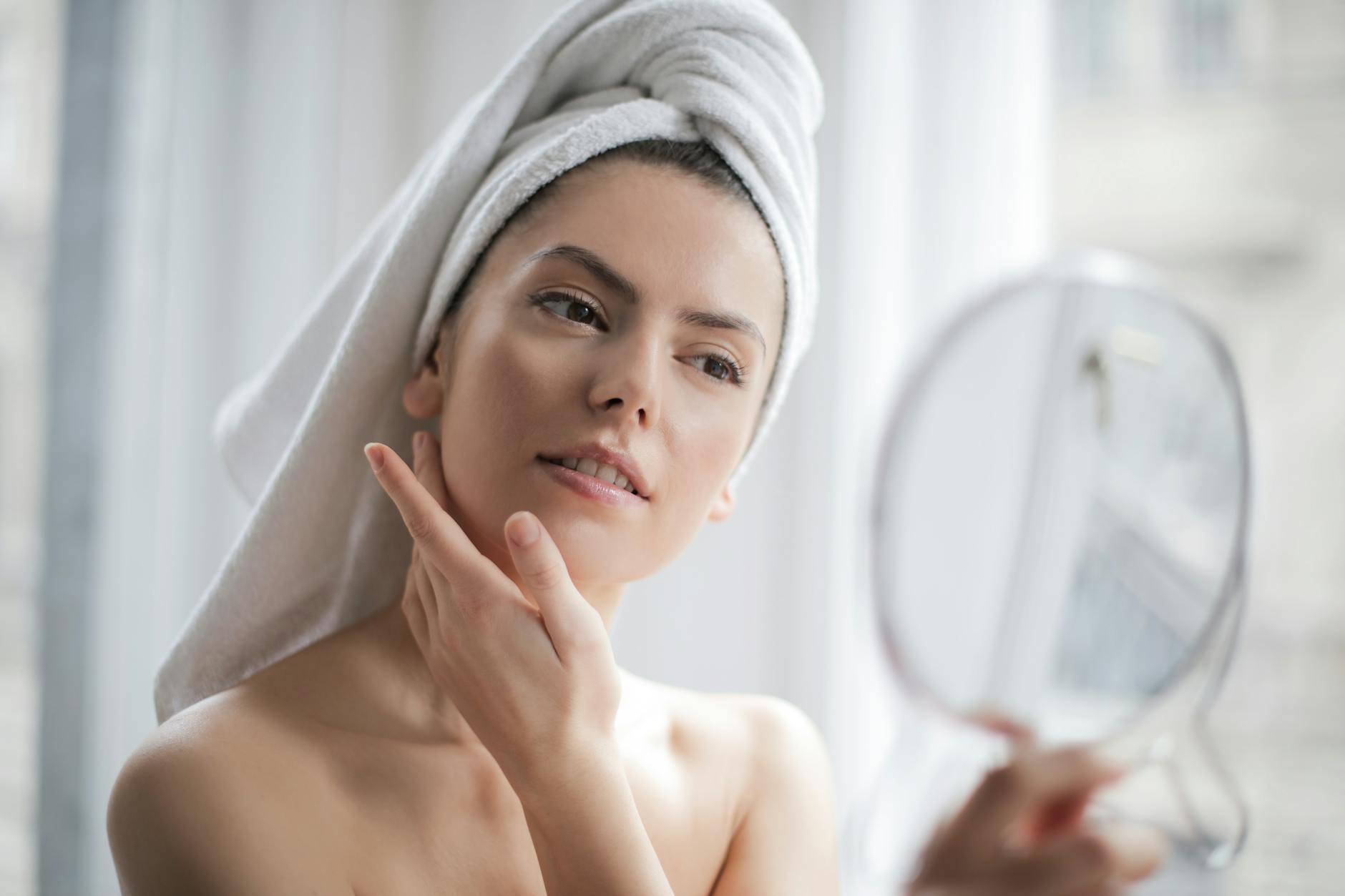
Exfoliation is one of the cornerstones of radiant, healthy skin — but not all exfoliants are created equal. Among the most effective and dermatologist-approved ingredients are alpha hydroxy acids (AHAs) and beta hydroxy acids (BHAs).
While both are chemical exfoliants that dissolve dead skin cells rather than scrubbing them away, they work in slightly different ways and target different skin concerns. Understanding the difference between the two can help you build a smarter, safer skincare routine tailored to your skin type.
In this guide, we’ll break down the science behind AHAs and BHAs, their benefits, how to choose the right one, and expert tips for using them effectively.
AHAs (Alpha Hydroxy Acids) and BHAs (Beta Hydroxy Acids) are types of exfoliating acids derived from natural sources such as fruit, milk, and willow bark.
They work by loosening the “glue” that holds dead skin cells together on the surface, allowing them to shed more easily. This process reveals smoother, more even-toned skin beneath — without the harshness of physical scrubs.
The key difference between them lies in their solubility:
AHAs are water-soluble, meaning they primarily work on the surface of the skin.
BHAs are oil-soluble, allowing them to penetrate deeper into pores to clear out excess sebum and debris.
This distinction is what makes each acid suitable for different skin types and concerns.
BHAs unclog pores, preventing breakouts, while AHAs smooth the outer layer, reducing flakiness and congestion.
AHAs fade hyperpigmentation and sunspots, while BHAs calm redness and post-acne marks.
Regular use of AHAs boosts collagen and elasticity, softening fine lines and improving firmness.
By clearing surface buildup, acids help serums and moisturizers penetrate more effectively.
If you have dry or mature skin:
Choose an AHA like lactic or glycolic acid. They help smooth rough texture and retain hydration, giving skin a plump, dewy finish.
If you have oily or acne-prone skin:
Go for a BHA like salicylic acid, which clears excess oil and reduces inflammation.
If you have combination or sensitive skin:
Try mandelic acid (a gentle AHA) or a low-strength BHA to balance exfoliation without irritation. You can also alternate between the two depending on your needs.
If you’re targeting multiple concerns:
You can use both AHAs and BHAs — just not at the same time initially. Many professional products combine them in balanced concentrations for full-spectrum exfoliation.
Chemical exfoliants are powerful tools, but overuse or improper layering can damage your skin barrier. Follow these dermatologist-approved tips for best results:
Yes — but with caution. AHAs and BHAs complement each other beautifully when used correctly.
Dermatologists often recommend alternating them or using combination products that have both in lower concentrations. The pairing delivers comprehensive exfoliation: AHAs resurface the top layer, while BHAs purify within the pores.
For example, using an AHA/BHA blend once or twice a week can keep skin clear, smooth, and bright without over-stripping.
Both acids remove dull, dead cells to reveal fresher skin beneath.
Pro tip:
If you’re using both types, alternate days or use AHA in the evening and BHA in the morning.
For example:
Monday/Thursday: AHA for radiance
Tuesday/Friday: BHA for congestion control
AHAs and BHAs are transformative when used wisely. They both exfoliate, renew, and refine the skin — but their approaches differ.
If your skin feels rough, dry, or uneven, AHAs will help you regain glow and smoothness. If your main issues are oil, congestion, or acne, BHAs are your best friend. And if you’re targeting both, alternating or blending them can give you the best of both worlds.
Remember: exfoliation should reveal your skin’s natural radiance — not strip it away. Use acids thoughtfully, protect your barrier with hydration and SPF, and your skin will reward you with clarity, glow, and long-term health.
Want more dermatologist-approved skincare education?
Explore our latest guides on exfoliation, barrier repair, and the science of retinoids for truly luminous skin.